
Housing Crisis
Housing instability as a maternal-health input

Housing Crisis — The Cortisol Pipeline
Rent burden, eviction filings, and the prenatal-care interruption

No One Signed the Death Certificate
PRAMS — the only federal source for state-level maternal health data — has effectively stopped existing. No bill. No vote. Congress kept the money. The administration killed the program.

The L&D Code Cart Is Empty
Obstetric medication shortages — rolling stockouts of the generic drugs that keep women alive during childbirth. The supply chain is not broken; it is politically compromised.
The Program Holding Up the Whole Floor
Medicaid pays for four in ten U.S. births, underwrites the rural hospitals where they happen, and funds the residency slots that train the obstetricians who staff them. It is the floor.

The Surgery She Needs After
A thirty-five-week pregnant patient. Three problems. One coverage window that has to hold for a year. What postpartum Medicaid coverage loss looks like from the exam room.

The Team Was There
A fourth cesarean. A spinal that failed. The team that was there to catch it. What happens in the OR when you

The Tubal She Chose
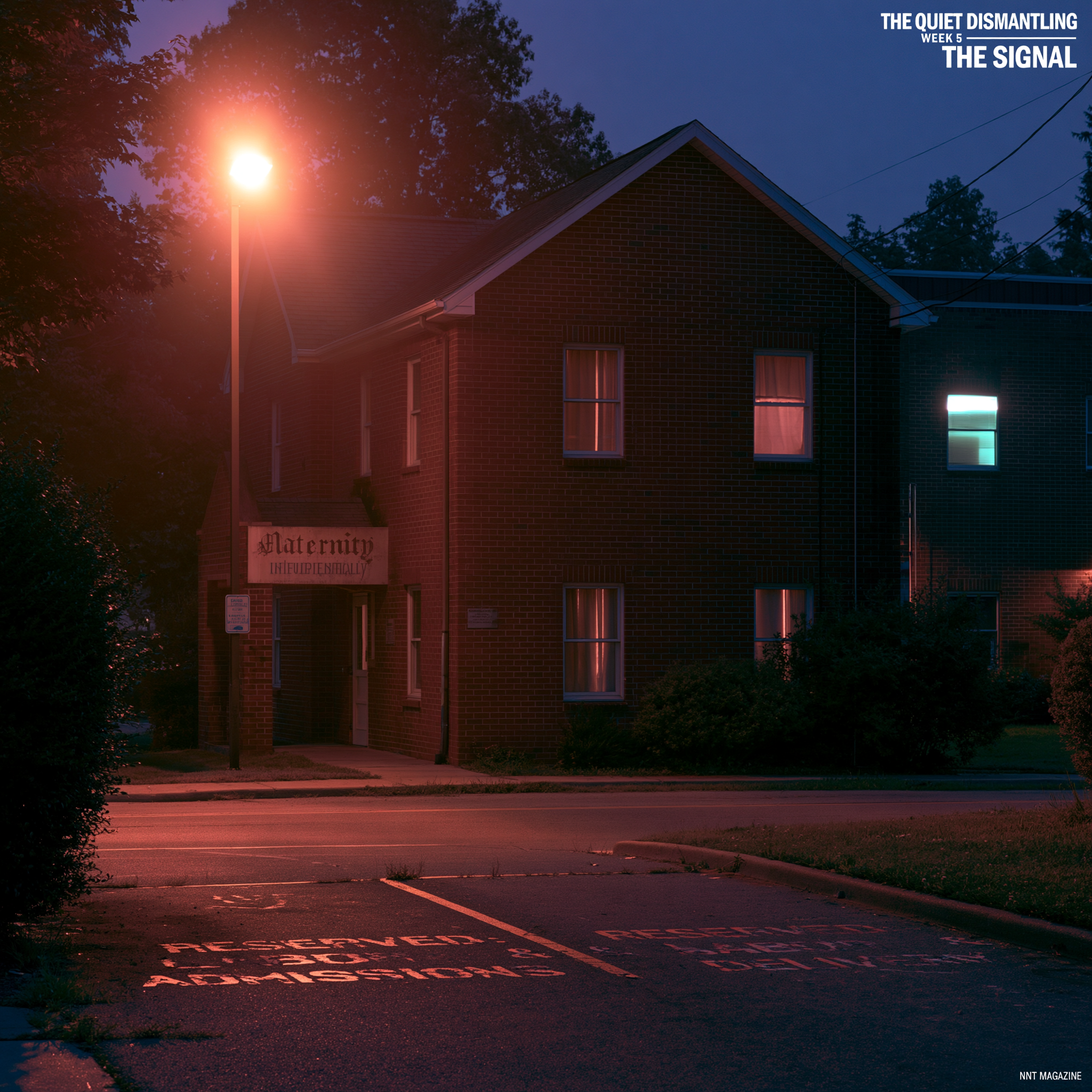
The Quiet Dismantling — a six-week investigation from The Labora Collective on how the federal safety net for women

What Happens When You Cap the Payer of Last Resort
Block grants, per-capita caps, the 12-month postpartum extension, and the state-level levers that still exist. The architecture of harm uses paperwork.